



Wastewater
CVWD operates and maintains the wastewater collection systems for La Crescenta and portions of La Cañada-Flintridge. Our collections system consists of 64 miles of sewer mains ranging form 4”-27” and one lift station. The District conveys approximately 1.54 MGD of wastewater to Los Angeles-Glendale Water Reclamation Plant for treatment before it is discharges to the LA River. The sludge is then transported to Hyperion Treatment Plant for further treatment.
CVWD is committed to providing reliable and effective service that protects public health and our environment. Our preventative maintenance program developed through our Sewer System Management Plan (SSMP) establishes the annual budget to ensure proactive and fiscally responsible management of our wastewater collection system. The SSMP biennial audit evaluates the effectiveness of the SSMP and the District’s compliance with State requirements.
CCTV Inspection
(Closed Circuit Television) Camera inspection to detect debris/blockages, root intrusion, or structural damage
Maintenance Hole Inspection
Performed to maintain structural integrity of access points for operations and maintenance of sewer mains
Cleaning
Hydro-jet uses high velocity water to clean the invert and pipe walls of Fats, Oil and Grease (FOG), and debris
Root Control
Herbicide treatment to eliminate invasive roots and prevent blockages
Sectional Lining
Trenchless rehabilitation using cured in place pipe to repair a damaged section of sewer main
Vector Control
Insecticide-based coating applied to maintenance holes
Smoke Testing
Diagnostic method to locate sources of inflow and infiltration (I&I) as well as breaks and leaks
Frequently Asked Questions
1. What is my responsibility as a homeowner?
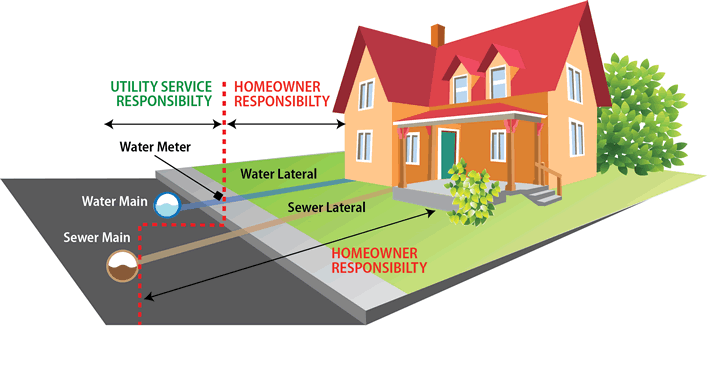
While the District is responsible for maintaining 64 miles of sewer mains and manholes, which it does though annually inspections and cleanings, the homeowner is responsible for maintaining their sewer laterals connecting the sewer main in the street to their house.
2. What kind of preventative sewer maintenance can I perform to protect my home?
Have a plumber perform maintenance of your home’s sewer system every 1-2 years to remove tree toots and buildup.
Do not pour oils, fats, or grease (FOG) down the drain. Currently, the FOG program is being run in conjunction with the County of Los Angeles Department of Public Works. Please see the link for more information: Fats, Oils, and Grease Program – CleanLA
Additionally, do not flush these items as they cause unnecessary clogs in the system and may lead to a costly sewer backup:
- Disposable diapers
- Paper towels
- Medications
- Wipes (even if it claims to be flushable)
- Chewing gum
- Food scraps
- Cigarettes/Vapes
- Plastics
- Cat litter
- Hygiene products
- Hair
Materials used during home improvement projects (pool plaster, drywall mud, etc.) can cause major damage to sewer infrastructure. Ensure your contractor properly disposes of materials. Violators may be penalized per CVWD rules and regulations.
3. How can you prevent sewer backups?
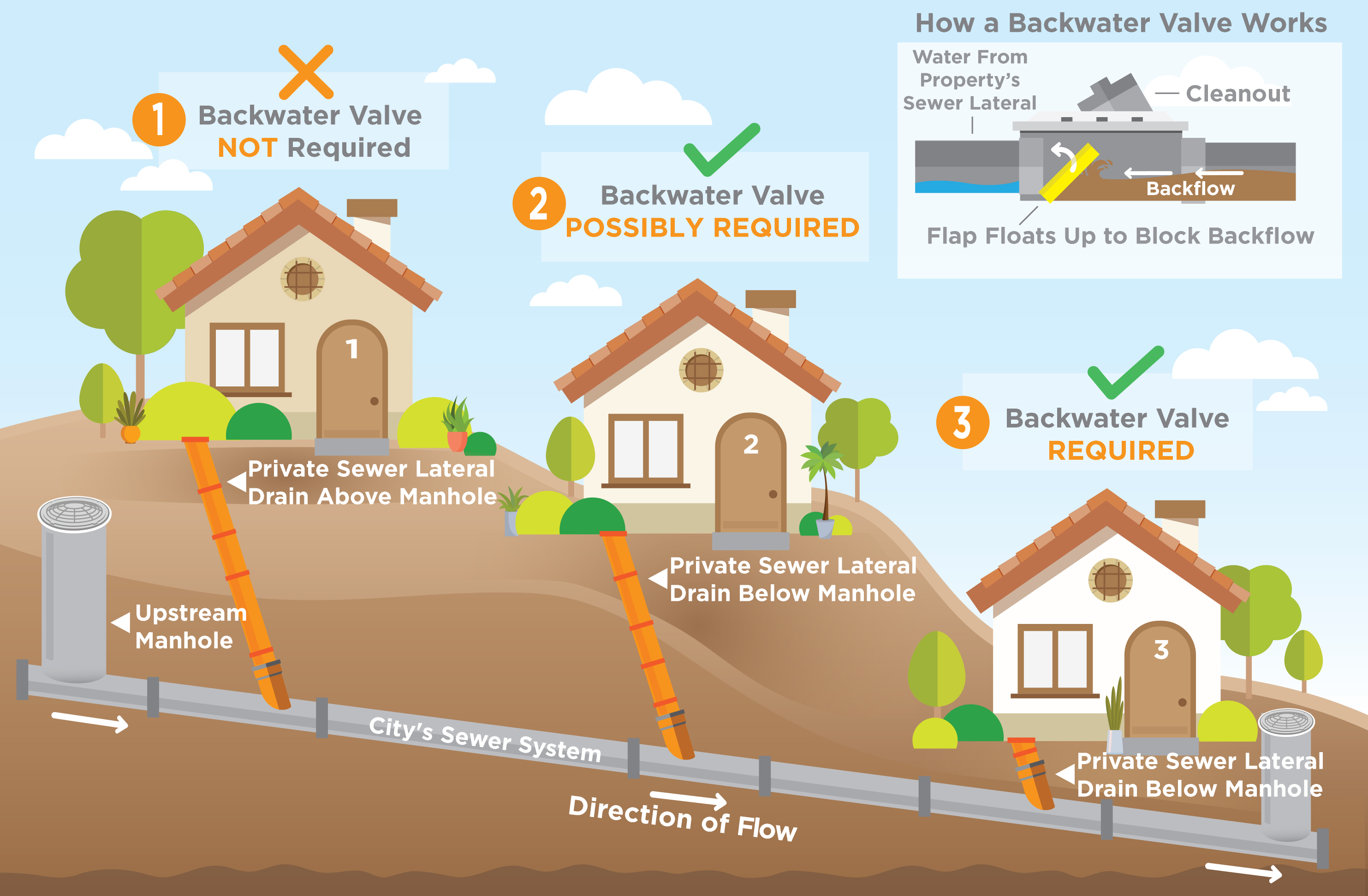
In the case of an obstruction in the public sewer, a backwater valve installed on the customer’s side will automatically close to prevent sewage from backing up into the building. A professional plumber can tell you if you need to have one installed. The valve should be checked regularly to ensure it is operating properly.
4. What are the costs associated with sewer lateral repairs?
While sewer services can be costly, proactive maintenance by the homeowner could make costs manageable and avoid emergencies. Always request three quotes from plumbers to ensure you are receiving a fair price.
Sewer lateral repairs are the homeowner’s responsibility. While standard homeowners’ insurance policies do not cover service line repair costs, certain insurance carriers provide a supplemental service lateral coverage. Get a quote from your insurance carrier to determine is a service lateral insurance is right for you.